What draws you to a place where open fields meet the Atlantic and days move at a calmer pace? If you are weighing Little Compton and Tiverton, you are looking at two neighboring South Coast towns that share a coastline but offer different daily rhythms. You want a clear picture of lifestyle, housing, beaches, schools, commutes and practical buyer tips before you decide. This guide walks you through what life looks like in each town so you can choose with confidence. Let’s dive in.
Little Compton and Tiverton at a glance
Little Compton sits at the southern tip of the Sakonnet peninsula, defined by farmland, stone walls, coastal ponds and barrier beaches. It feels rural and intentionally low density, with a strong conservation culture that has preserved open space over decades. You can see that farm-coast identity as soon as you arrive. Learn more about the town’s setting and character from the Little Compton overview.
Tiverton borders Little Compton to the north and has a larger year-round population. It functions as a local service hub and includes the historic Tiverton Four Corners village, known for shops, galleries and cafés. The vibe is still coastal and relaxed, but you will find more services and a busier day-to-day. Explore the cultural center at the Tiverton Four Corners village.
A few quick facts help frame expectations:
- Population: Little Compton is small year round, roughly in the mid‑thousands, with many seasonal homes that make summers livelier and winters quiet. Tiverton’s population is materially larger at about 16,000 residents, which supports steadier activity throughout the year. See the Tiverton Census snapshot for context.
- Market snapshot: Broad market indices point to higher typical home values in Little Compton, often high six to low seven figures, with coastal or farm parcels trading well above that. Tiverton’s medians are lower, generally in the low to mid 500s, with higher pricing in waterfront pockets and around Four Corners. Inventory is limited in both towns, and standout properties move quickly.
Farm Coast lifestyle
This stretch of Rhode Island is often called the Farm Coast. Working farms, vineyards, open fields and salt marshes shape the views on your daily drive. Farmstands dot back roads, fresh produce is part of the routine, and there is real pride in local food. If you enjoy wine tastings and laid-back weekends, Sakonnet Vineyard is a well-known local draw.
Expect quiet mornings, wide skies and a close relationship to the water. You can take a slow bike ride along stone walls, pick up local bread on the way home, and be on a beach path before sunset. It is simple, New England coastal living with a countryside feel.
Beaches and preserves
If you value protected shoreline, Little Compton stands out. Goosewing Beach and Quicksand Pond form a signature preserve managed for habitat, including shorebird protection. The Nature Conservancy and local partners balance public access with wildlife needs, so you will see seasonal rules for parking, dogs and sensitive nesting areas. Before summer visits, check current guidelines on Goosewing Beach and Quicksand Pond.
What does that mean for daily life? You get quiet, beautiful walks and excellent birding with a light footprint on the land. It is a place to reset rather than a boardwalk scene. Many residents consider this balance part of the area’s charm.
Two towns, different rhythms
Both towns share coastline and country roads, but the feel is distinct.
- Little Compton: Quieter, more residential and farm-oriented, with a small commercial core at the town Common. Many businesses are seasonal, so summers are livelier and winters are very calm. The pace encourages privacy and nature-first living.
- Tiverton: More year-round services and a defined village center. Tiverton Four Corners hosts galleries, boutiques and cafés, plus seasonal events that draw locals and visitors. If you want a rural setting with a bit more daily convenience, Tiverton fits well.
Homes and property types
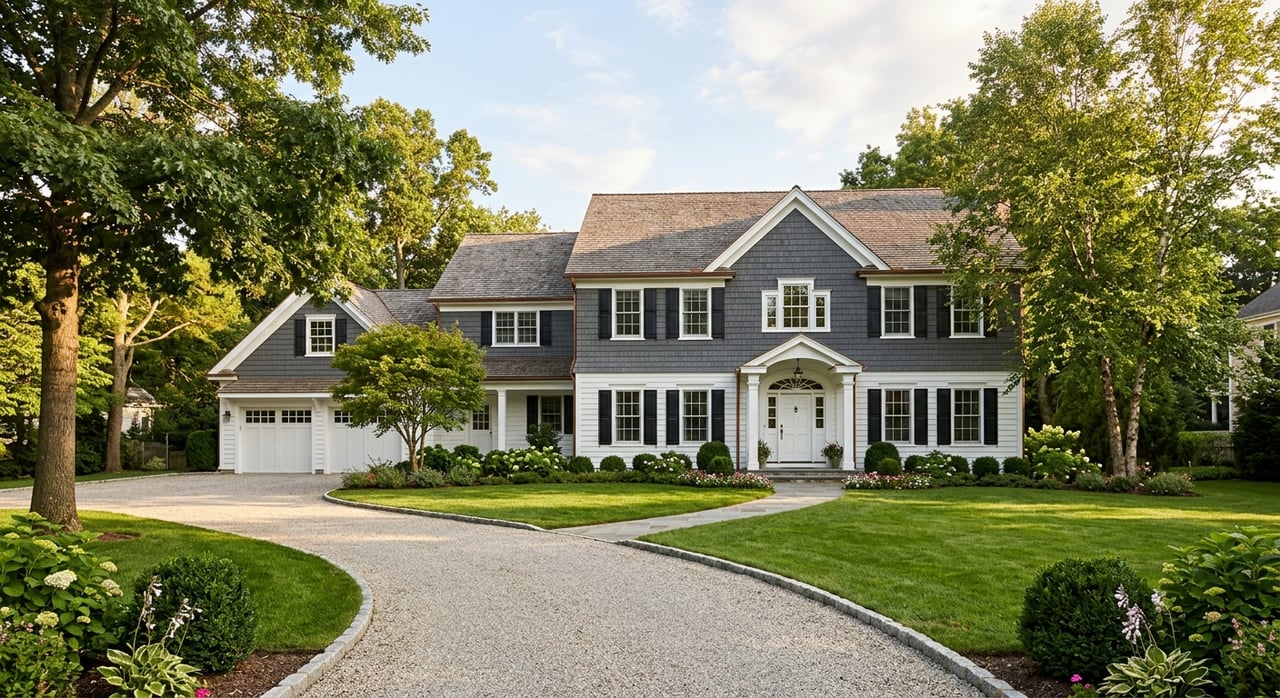
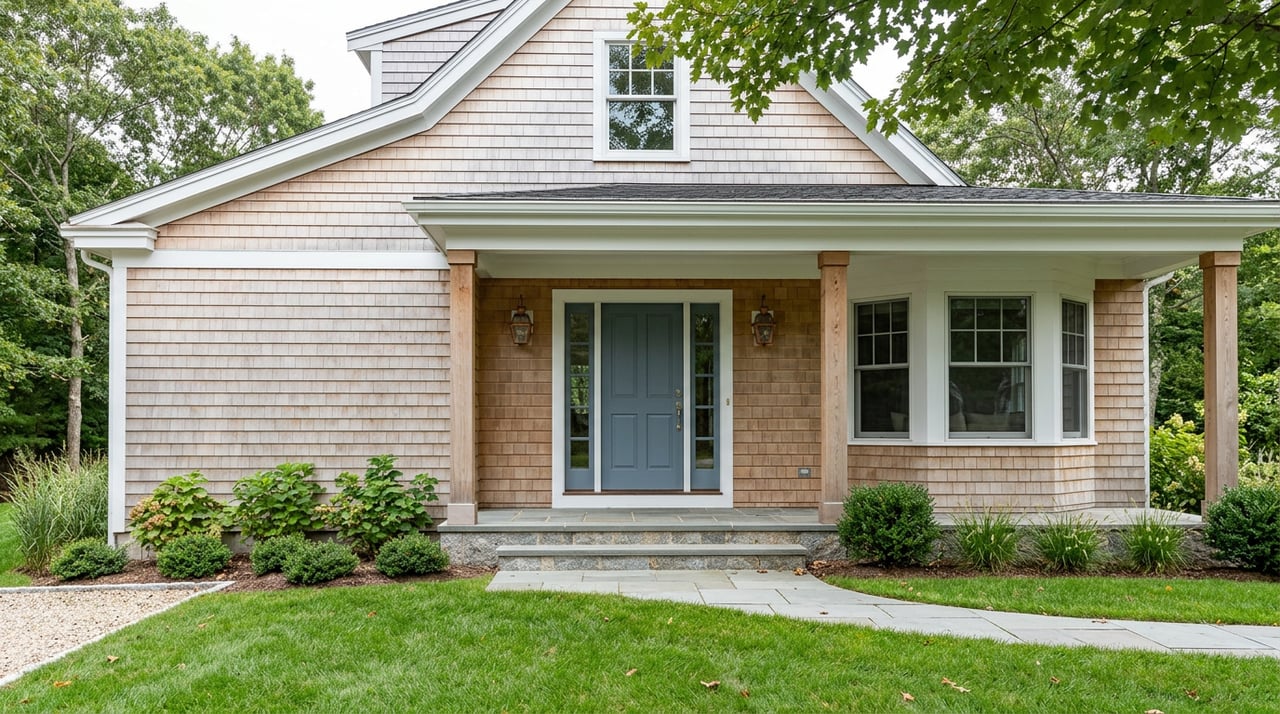
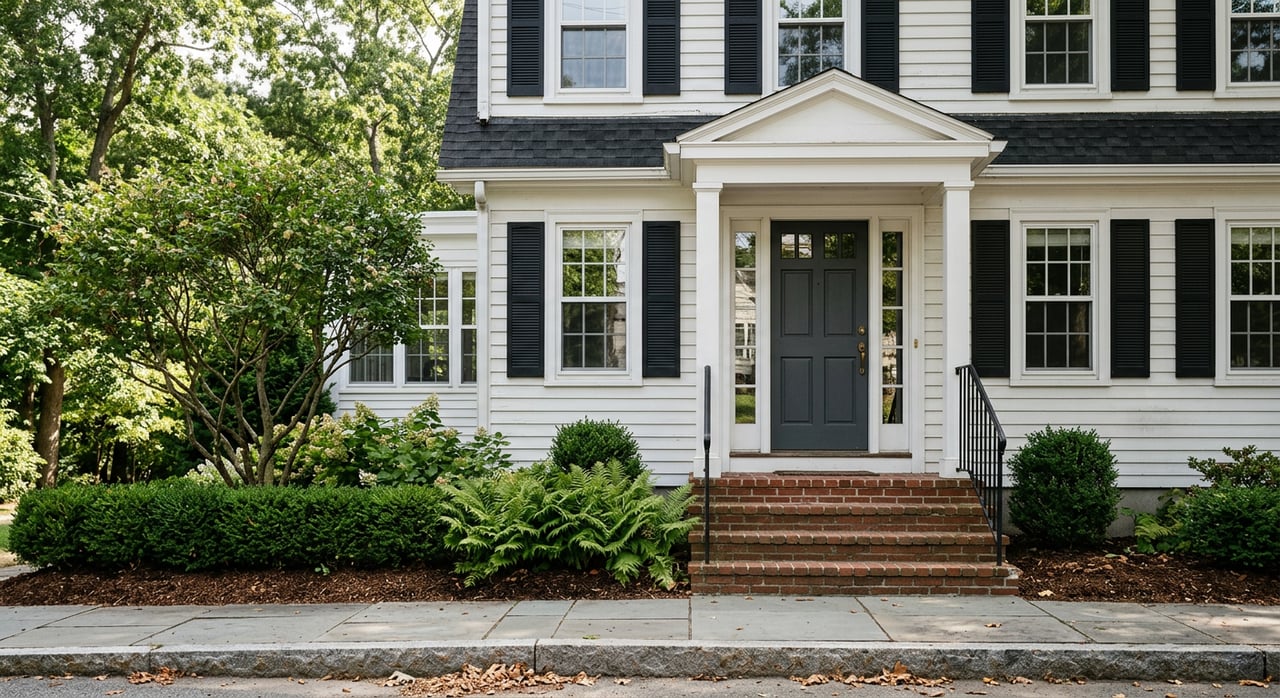
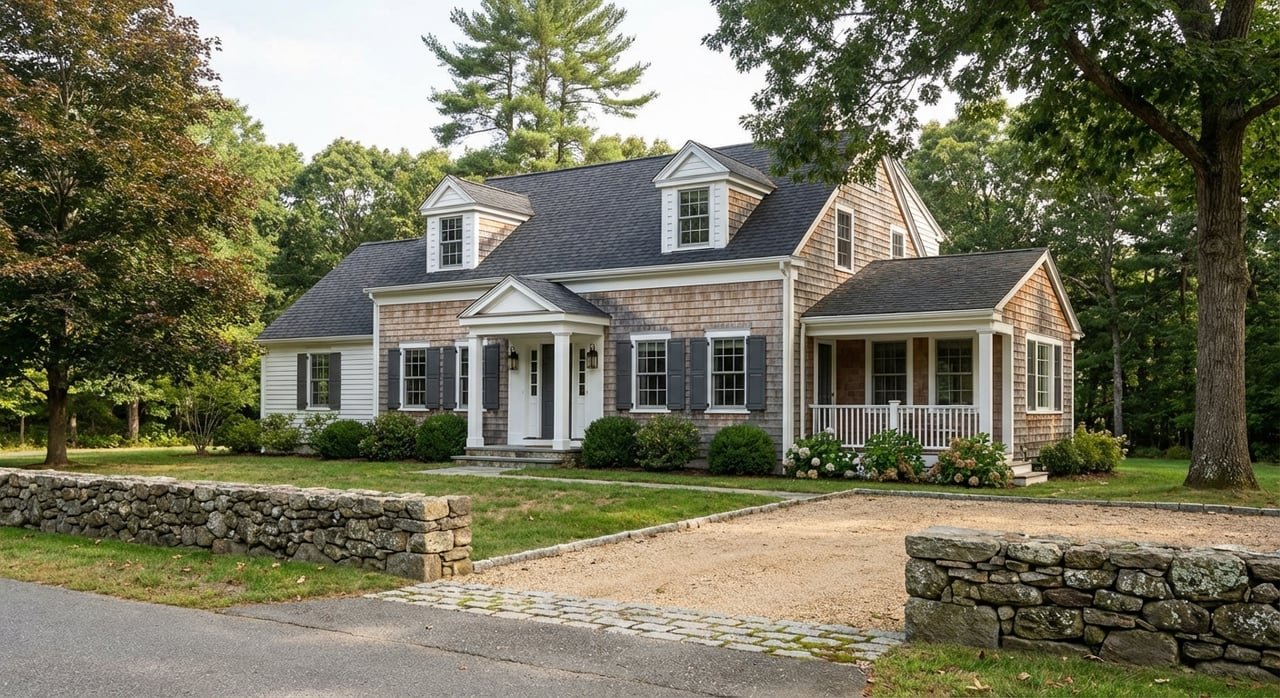
Architecture skews classic New England. You will often see historic farmhouses and barns that have been carefully renovated, Colonial and Cape Cod homes, shingle-style coastal cottages and, in select locations, larger waterfront estates. Inland parcels may include meadows or working farmland, and many properties are framed by stone walls rather than close neighbors.
Price expectations
- Little Compton: A premium market in Rhode Island. Typical values trend in the high six to low seven figures, with oceanfront or large acreage commanding more. Inventory is tight, so it pays to be prepared before you tour.
- Tiverton: Lower medians than Little Compton overall, with notable exceptions. Waterfront areas and the Four Corners vicinity can see strong competition and faster-moving listings.
In both towns, expect limited subdivision-style options and more one-of-a-kind properties. That uniqueness is a draw, and it also means pricing varies widely by setting, acreage, and proximity to the water.
Conservation shapes daily life
Preservation is not just a value here. It is built into how Little Compton plans for the future. The Little Compton Agricultural Conservancy Trust uses a buyer-paid real estate transfer fee to fund open space and farmland protection. This long-running tool has preserved thousands of acres and is a key reason the town keeps its farm-coast character. Learn how it works on the Ag Trust overview.
Local land trusts partner across the region to maintain trails, steward habitats and guide public access. The Sakonnet Preservation Association is an example of the community-minded conservation you will encounter, with maps and stewardship updates available through the Sakonnet Preservation Association.
You may also hear about shoreline use debates from time to time. Proposed restrictions on aquaculture siting in the Sakonnet River area highlight the balance among marine industry, recreation and shoreline property owners. For background, see this archived report on aquaculture siting discussions in Tiverton.
Practicalities for buyers
Getting around and commutes
Both towns are car-dependent. Little Compton has no RIPTA bus service, and local roads are winding and rural. Route 24 in Tiverton links quickly to I‑195 if you commute north and west. As a planning frame, many buyers use drive times of about 35 to 50 minutes to Providence, under 90 minutes to Boston and roughly 30 to 45 minutes to Newport. Check exact times for your address at planning time.
For background on Little Compton’s rural access and limited transit, see the Little Compton overview.
Schools overview
- Little Compton: Wilbur & McMahon serves K–8. Most local high school students attend Portsmouth High School through a regional arrangement. Always confirm the current assignment details with town offices. You can see neutral school information for Wilbur & McMahon on GreatSchools.
- Tiverton: A full K–12 district that includes Tiverton High School, Tiverton Middle School and elementary schools such as Pocasset and Ranger. Visit the Tiverton Public Schools site for district information and transportation details.
Use neutral, factual criteria when you evaluate schools. Families often look at programs, transportation and logistics that fit their needs.
Taxes and closing costs
Little Compton’s Ag Trust is funded through a buyer-paid fee at closing. The fee structure and exemptions can vary by transaction, so confirm the current rules with the town and your attorney or agent before you submit an offer. The Ag Trust explainer is a good place to start.
Property taxes are set locally and can change year to year. Little Compton’s mill rate has often been relatively low, but higher assessed values can still produce meaningful tax bills. Always verify the current rate, exemptions and the most recent tax bill for the property you are considering.
Wells, septic and permitting
Many homes rely on private wells and septic systems rather than public utilities. Plan for well and septic inspections during due diligence, and budget for potential upgrades if you intend to renovate or expand. Local building and zoning offices can advise on permitting timelines and requirements. For a quick primer on local infrastructure, see the Little Compton overview.
Coastal insurance and flood zones
Coastal parcels may lie within FEMA flood zones. Review flood maps, elevation and setback rules early, and speak with your insurance provider about current coverage options and premiums. Local planning and building offices can guide you on shoreline permitting and any project-specific constraints.
Who each town fits
Choosing between Little Compton and Tiverton often comes down to feel.
- Choose Little Compton if you value privacy, preserved views, quiet roads and a strong conservation ethic. The seasonal rhythm is part of life here, with summers busier and winters very calm. The Little Compton overview gives helpful context.
- Choose Tiverton if you want a coastal, rural feeling with more year-round services and easy access to routes for commuting. For village charm, dining and small boutiques, explore Tiverton Four Corners.
Both towns reward patience. If you are searching for a distinctive property, preparation and local guidance are everything.
Ready to explore the Farm Coast with a calm, expert plan? Our team pairs boutique, high-touch service with regional resources so you can buy with clarity and confidence. When you are ready to tour or talk through your goals, connect with The Jodie Jordan Group to start a thoughtful search.
FAQs
How far are Little Compton and Tiverton from Providence and Boston?
- Many buyers plan for about 35 to 50 minutes to Providence, under 90 minutes to Boston and roughly 30 to 45 minutes to Newport, depending on the exact address and traffic.
What is beach access like at Goosewing Beach in Little Compton?
- Goosewing Beach and Quicksand Pond are managed as preserves with seasonal rules for parking, dog access and habitat protection. Confirm current guidelines through the Nature Conservancy’s Goosewing page.
Are there public transit options in Little Compton and Tiverton?
- Both towns are car-dependent, and Little Compton has no RIPTA bus service. Plan on driving for errands and commuting. See the Little Compton overview for context.
How does the Little Compton Agricultural Conservancy Trust fee affect buyers?
- The Ag Trust is funded by a buyer-paid fee at closing. Rules and exemptions can vary, so review details with your agent and counsel and start with the Ag Trust explainer.
What types of homes are common in Little Compton and Tiverton?
- You will see classic New England styles, including renovated farmhouses and barns, Colonial and Cape homes, shingle-style cottages and select waterfront estates. Settings range from meadows and farmland to rocky shoreline and sandy pocket beaches.
How do schools work in each town?
- Little Compton operates Wilbur & McMahon for K–8, and most students attend Portsmouth High School through a regional arrangement. Tiverton runs a full K–12 district. Verify current assignments and programs with town and district offices or start at Tiverton Public Schools.