Thinking about making 02906 home? You’re not alone. Providence’s East Side combines historic charm with an easy, everyday rhythm that feels both cultured and convenient. In this guide, you’ll get a clear look at daily life, from main streets and parks to housing styles, commuting, and practical tips so you can decide if it fits your lifestyle. Let’s dive in.
What locals mean by the East Side
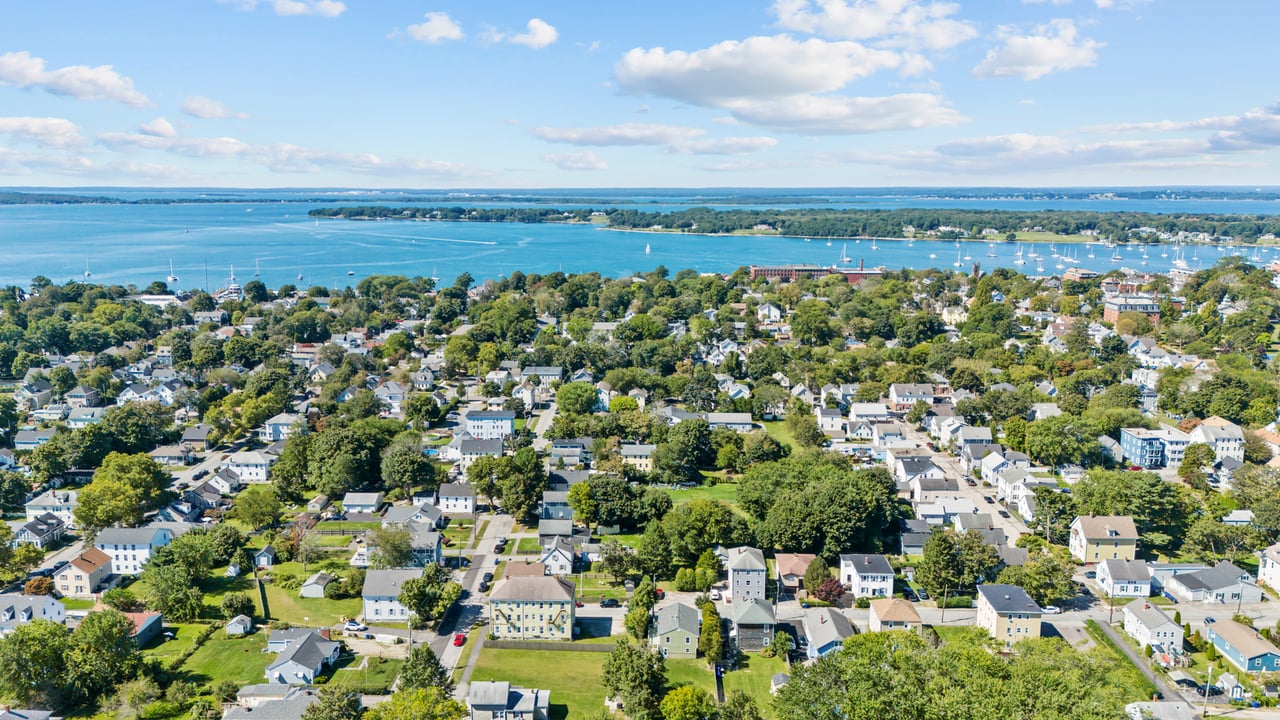
The East Side sits on the east bank of the Providence River and includes College Hill, Wayland, Blackstone, and Fox Point. Most of this area falls within ZIP code 02906. You’ll notice compact, walkable streets, historic architecture, and the influence of Brown University and RISD across daily life.
If you need precise block-by-block details for things like taxes or municipal services, check city resources. For most everyday decisions, people use the neighborhood names above when choosing where to live, shop, and spend time.
Day-to-day streets and shopping
Thayer Street
You’ll find a steady mix of cafes, student-friendly dining, shops, and services. Thayer functions as a main spine near Brown and RISD, which keeps the area lively and walkable through most of the day.
Wickenden Street
This corridor leans more independent and creative, with boutiques, restaurants, and small businesses. It’s a popular spot for casual dinners and local shopping.
Hope Street and essentials
Hope Street and nearby blocks offer small markets, neighborhood services, and everyday conveniences. Many residents use local shops for quick trips, then visit larger supermarkets just outside the neighborhood for big weekly runs.
Parks and outdoor routine
India Point Park
At the southern edge, India Point Park brings waterfront walking paths, open lawns, and seasonal events near Narragansett Bay. It’s a favorite for weekend strolls and picnics.
Blackstone Boulevard Park
This tree-lined greenway is ideal for jogging, dog walks, and meetups. It acts like a green spine through the Blackstone neighborhood and draws steady foot traffic.
Prospect Terrace Park
Perched on the College Hill ridge, Prospect Terrace offers skyline views and a quiet place to pause. Smaller pocket parks and leafy residential streets add to the outdoor appeal.
Culture at your doorstep
Brown, RISD, and the RISD Museum
Campus life shapes the neighborhood. Public galleries, lectures, student performances, and the RISD Museum add a steady stream of cultural events you can enjoy year-round.
Benefit Street history
Known as the “Mile of History,” Benefit Street features a strong collection of preserved colonial and 19th-century homes. It’s a go-to for architecture lovers and history fans.
Quick access to downtown
Downtown Providence sits just across the river. Residents often head to theaters, major venues, and seasonal happenings like WaterFire with a short walk or drive.
Homes and architecture
What you’ll see
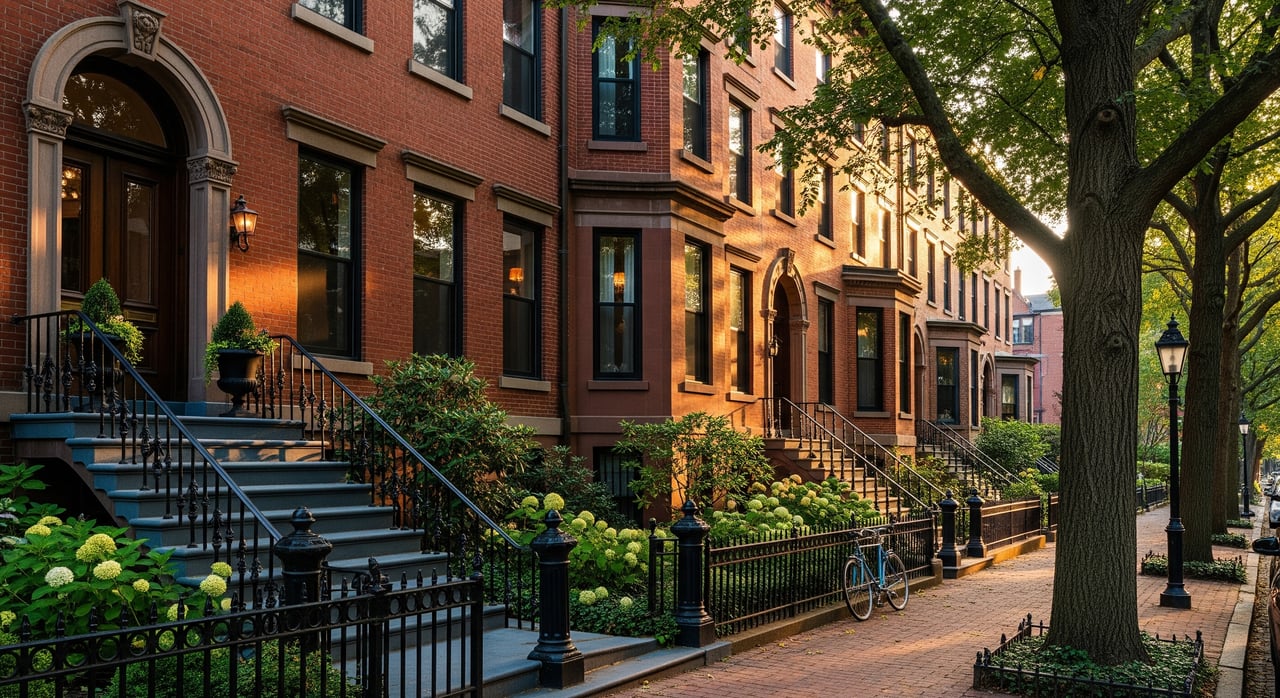
- College Hill and Benefit Street: preserved colonial, Federal, and Georgian-era homes, plus historic conversions.
- Fox Point and parts of Wayland: triple-deckers, rowhouses, and smaller Victorians with a range of unit sizes.
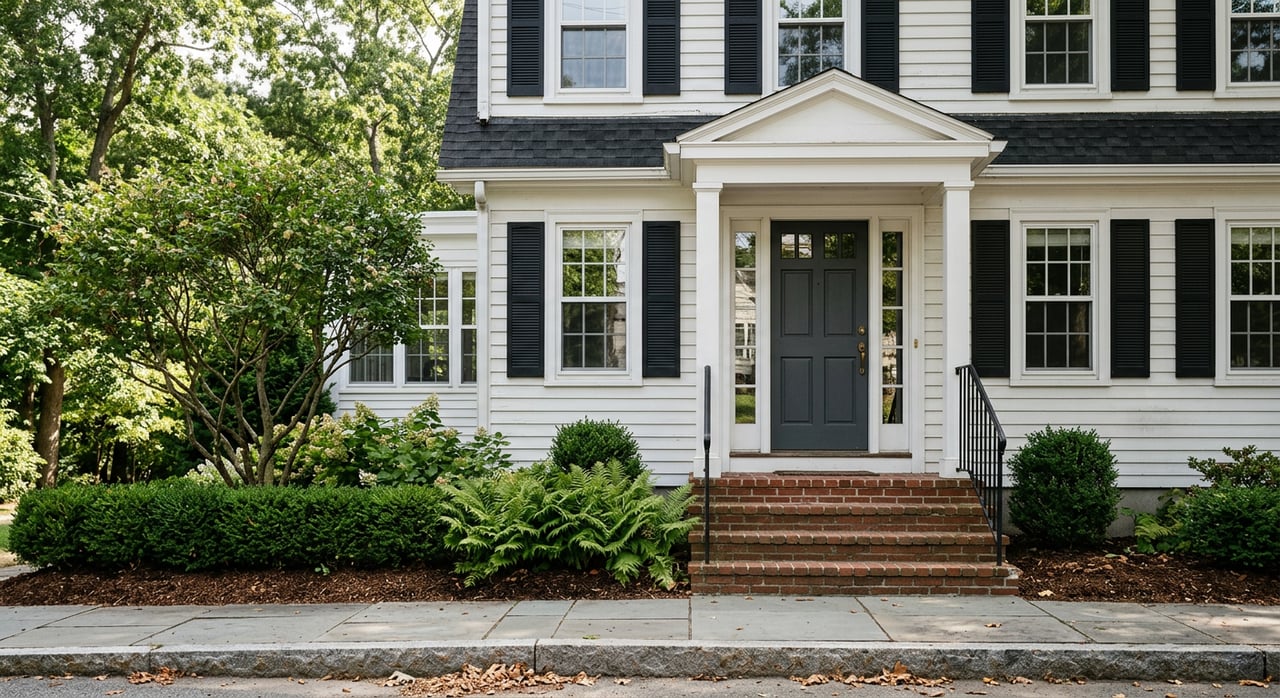
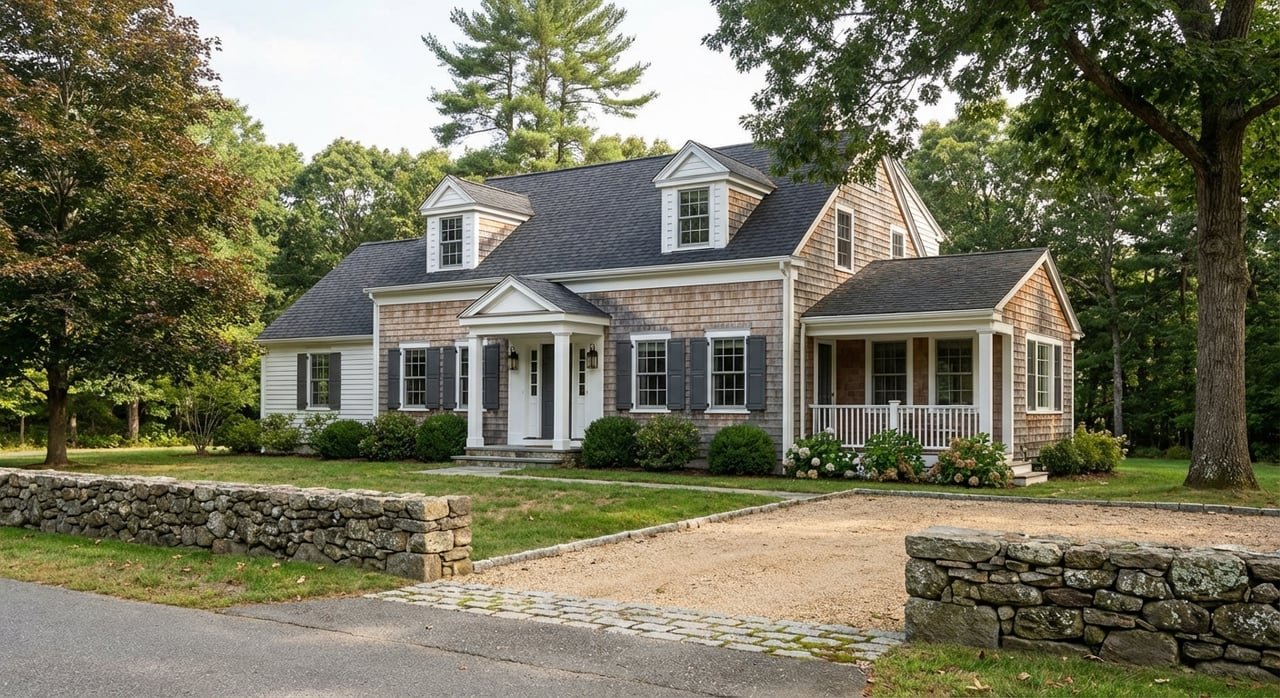
- Blackstone and some Wayland blocks: single-family homes on tree-lined streets, with early to mid-20th-century styles.
- Near Thayer and busier corridors: apartments, condo conversions, and smaller rental buildings, including student-focused housing.
Price and tenure
The East Side is generally one of Providence’s higher-cost areas. Rents and sale prices tend to run above city averages, influenced by demand from university-affiliated households, professionals, and buyers who want historic character close to downtown.
Who tends to choose the East Side
You’ll meet students and university staff near campus, professionals who value walkability and short commutes, and many households that prioritize parks and neighborhood amenities. If you love preserved architecture and an active cultural scene, this area is a strong match.
Getting around
Walkability and biking
Many blocks around Thayer Street, Wickenden Street, and College Hill are highly walkable for errands and dining. You’ll see regular bike traffic, especially along neighborhood streets and Blackstone Boulevard, though protected lanes are limited compared to larger cities.
Buses and campus shuttles
RIPTA buses connect the East Side with downtown, hospitals, and other neighborhoods. Service is stronger during peak commuting windows. Brown and RISD also operate campus transit that benefits students and staff.
Driving and regional trips
You can reach I-95 and I-195 quickly for regional travel. For Boston commutes, most residents head to Providence Station downtown to catch MBTA or Amtrak service.
Parking realities
Parking varies by block. Near Thayer Street and campus, on-street parking can be limited and regulated. Residential streets farther from the student core can be easier, and some homes offer driveways. Narrow historic streets may affect garage and curb options.
Practical notes for buyers and renters
Historic rules and renovations
Many parts of College Hill and Benefit Street fall within historic districts. Exterior changes may require review by preservation commissions. This helps protect neighborhood character, but it can add time and cost, so plan accordingly.
Schools and healthcare
The area provides access to a range of public, charter, and private K–12 options across the city. Butler Hospital sits on the East Side, while major hospital campuses and health systems are nearby in adjacent areas.
Safety, noise, and seasonality
Perceptions of safety are generally favorable, though experiences vary by block as in most cities. Student-centered areas close to campus can be livelier in the evenings and on weekends, and large events can increase traffic and foot activity.
Utilities and everyday services
Historic homes can require ongoing maintenance for systems like plumbing and windows. Review trash and recycling schedules with the city, and consider local neighborhood groups for community updates and events.
Quick checklist: fit and due diligence
- Walk the block at different times of day to check noise and parking.
- Confirm any historic-district rules before planning exterior work.
- Ask about on-street regulations and driveway options.
- Weigh walkability and culture against potential maintenance for older homes.
- If you commute to Boston, test your route to Providence Station.
- For families, review current school assignment details and application timelines.
Ready to explore 02906?
If the East Side’s blend of walkability, architecture, and cultural life aligns with your goals, you have options across College Hill, Wayland, Blackstone, and Fox Point. A calm, considered approach will help you balance the trade-offs between historic charm, parking, maintenance, and daily convenience. When you are ready for expert, neighborhood-specific guidance or a clear plan to buy or sell, connect with the team at The Jodie Jordan Group for local insight and a streamlined process.
FAQs
Is Providence’s East Side walkable for daily errands?
- Yes. Many blocks around Thayer, Wickenden, and College Hill are highly walkable for dining, coffee, and basics, with parks and campus amenities nearby.
What housing types are common in 02906?
- You’ll see historic single-family homes, triple-deckers, rowhouses, and condo or apartment conversions, plus student-focused rentals near Thayer Street.
How does parking work on the East Side?
- It varies by block. Near campus, on-street parking can be limited or regulated, while some residential streets and homes offer easier parking or driveways.
Are there parks within easy reach?
- Yes. India Point Park, Blackstone Boulevard Park, and Prospect Terrace are popular options for walking, jogging, and relaxing outdoors.
What are the main commute options to Boston?
- Most residents head to Providence Station downtown to connect with MBTA or Amtrak service and reach the station by bus, bike, or a short drive.
Do historic-district rules affect renovations?
- In designated areas, exterior changes may require preservation review. Plan timelines and budgets with those rules in mind before starting work.