If you are torn between a house with original trim and porch details and one with a newer kitchen and updated systems, you are not alone. In Edgewood and the broader Gaspee-area conversation, the choice is rarely as simple as historic versus updated. The better question is which home fits your budget, upkeep comfort level, and long-term plans. Let’s dive in.
What historic means here
In Edgewood, “historic” often means a late-19th- or early-20th-century home rather than only a much older colonial property. The documented housing stock in the Edgewood study area largely dates from about 1850 to 1945, with a postwar enclave from 1945 to 1975. That gives buyers a wide mix of home styles and ages to sort through.
You may see Queen Anne, Colonial Revival, bungalow, foursquare, and Shingle Style influences, along with many two- and three-family homes. One of Edgewood’s defining strengths is its architectural variety. Many houses were individually designed or built by architects and contractors, which helps explain the neighborhood’s distinctive feel.
In the Gaspee-area conversation, location matters just as much as age. Warwick notes historic overlay zoning along Gaspee Point, and exterior review rules can also apply in local historic districts. That means two older homes that look similar on paper may come with different approval requirements depending on the parcel and district status.
Why original homes appeal
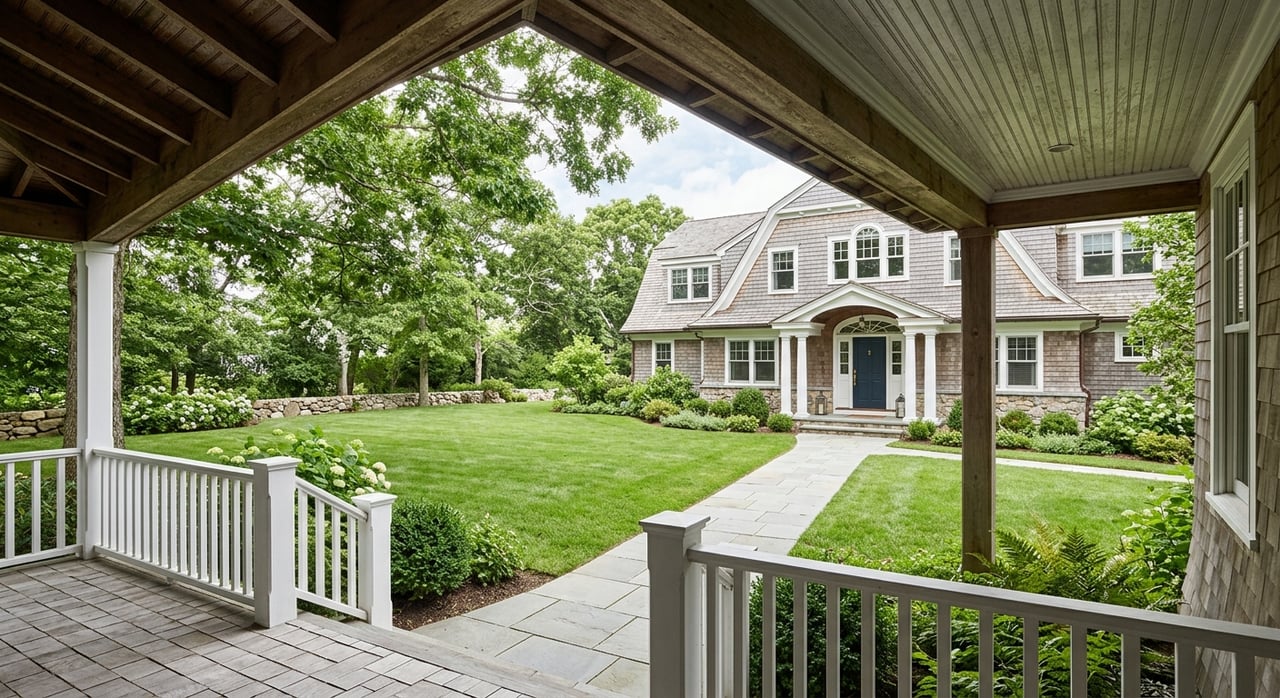
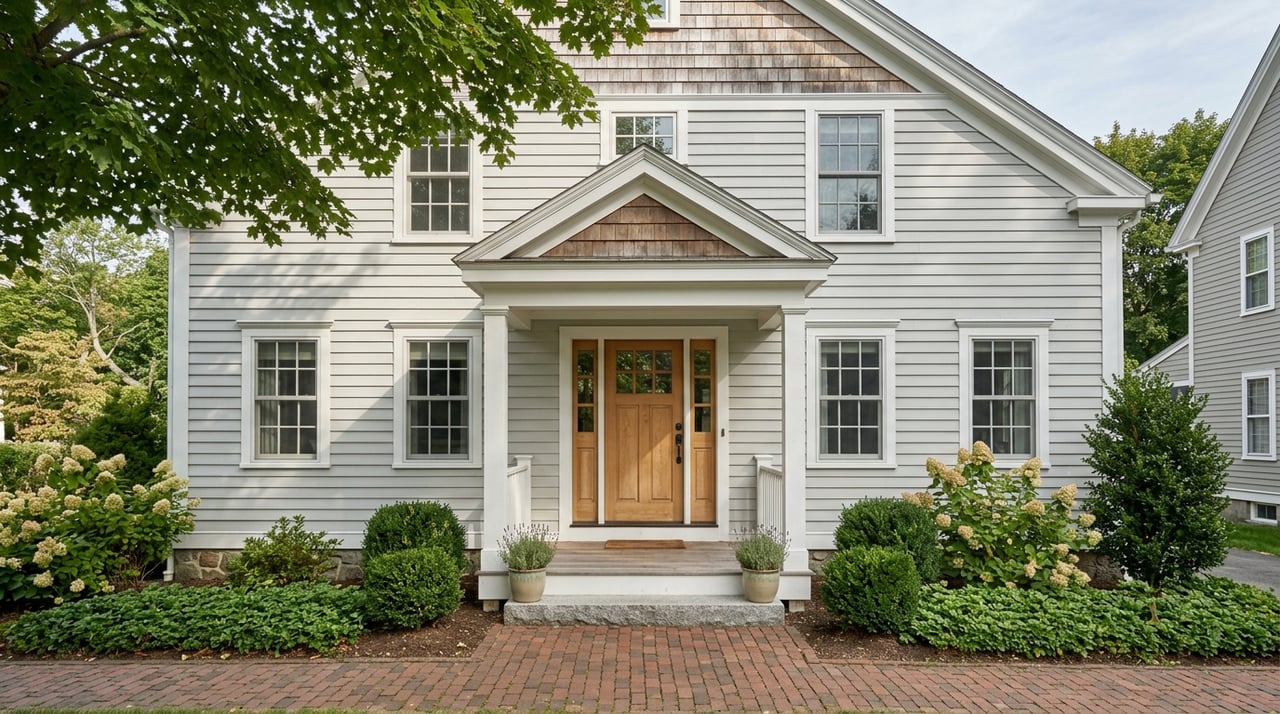
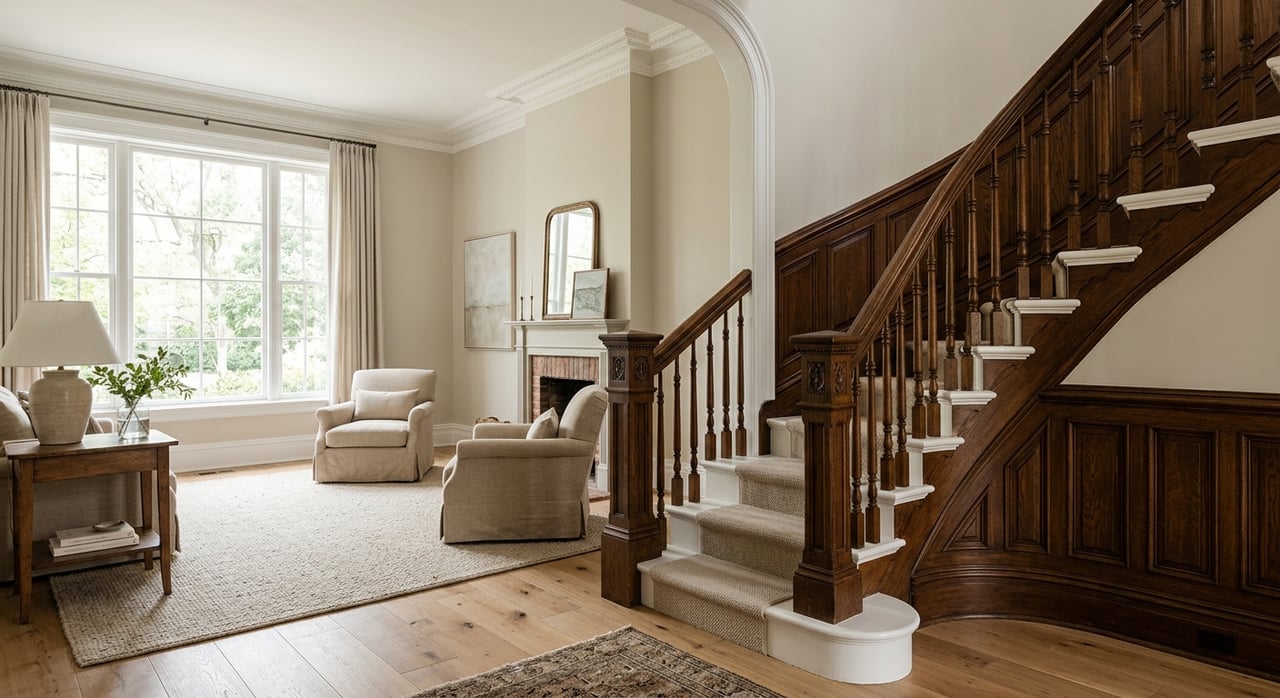
If you love character, an original historic home can be hard to beat. These homes often offer porches, bays, shingle work, gambrel roofs, original trim, and window proportions that give the house a sense of craftsmanship and individuality. In places like Edgewood and nearby Pawtuxet-area settings, that architectural texture is a big part of the lifestyle draw.
For many buyers, that appeal goes beyond appearance. Original homes can offer a stronger sense of place and a more layered streetscape than homes that have been heavily altered over time. If you want a house that feels rooted in the neighborhood’s history, this type of property may be the best fit.
What original homes can cost you
Character usually comes with more maintenance and more unknowns. In these coastal neighborhoods, older homes deserve close attention to paint, plaster, windows, roofs, porches, moisture intrusion, drainage, and signs of deferred exterior care. Cosmetic updates can hide older issues, so a polished listing should never replace careful due diligence.
You should also think about pace and flexibility. If the home sits in a local historic district, exterior work may require review before permits are issued. In Cranston, exterior alterations and new construction require approval in the local historic district, and in Warwick, exterior work in local historic districts requires a Certificate of Appropriateness before a building permit is issued.
That does not mean an original home is the wrong choice. It means you should go in with a realistic plan for upkeep, timing, and approvals. Buyers who do well with historic homes are usually the ones who value authenticity and are comfortable with a longer stewardship cycle.
What updated homes do better
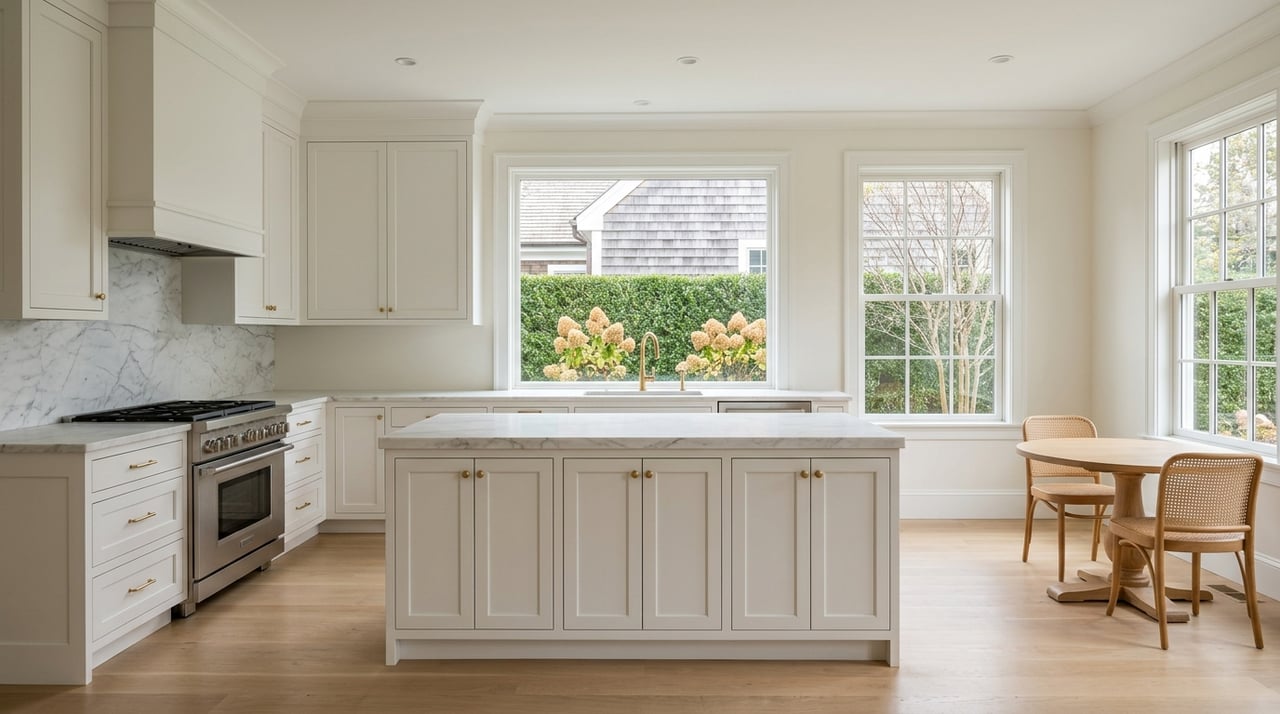
An updated home often works well if you want fewer immediate projects. Newer kitchens and baths, more recent heating or electrical work, and a shorter move-in timeline can reduce stress during your first year of ownership. If you want predictability, that can be a major advantage.
Updated homes can also make budgeting feel more straightforward at the start. Instead of planning for several larger improvements at once, you may be able to focus on routine ownership costs and smaller cosmetic changes. That can be especially helpful if you are relocating, balancing work and family demands, or simply do not want renovation disruption right away.
What updated homes do not change
An updated home is not always a simpler home. A renovated exterior does not automatically remove preservation rules, and a refreshed interior does not erase the realities of an older structure. In these neighborhoods, an updated property can still be a pre-1978 home, a locally reviewed home, or both.
That is why documentation matters. If major work was done, you should ask for permit history, receipts, and clear dates for updates to the roof, windows, heating, electrical, and plumbing. “Updated” should mean verified work, not just a fresh finish.
Lead is a big part of that conversation in Rhode Island. The Rhode Island Department of Health says most lead exposure in the state comes from homes built before 1978, and qualifying work in pre-1978 homes is subject to the state’s Renovation, Repair, and Painting rule. If a home was built after 1978 or has a qualifying lead-free or full lead-safe certificate, it is generally exempt from that rule.
Historic districts and exterior rules
One of the biggest misunderstandings buyers have is assuming any home on a historic register is tightly controlled. The real issue is often whether the property is in a local historic district or overlay area with exterior review rules. That local status can affect what you may need approval for in the future.
In Warwick, exterior work in local historic districts requires a Certificate of Appropriateness before a building permit is issued. Warwick also states that interior-only work is not reviewed, though exterior components tied to mechanical or utility permits are. Warwick uses the Secretary of the Interior’s rehabilitation standards in its local historic districts.
In Cranston, exterior alterations and new construction in the local historic district require approval. For you as a buyer, this means district status should be confirmed early, before you assume a future porch repair, window replacement, or exterior redesign will be straightforward.
Lead and safety questions to ask
If you are buying an older home in Edgewood or near Gaspee, lead should be part of your normal checklist. Rhode Island says sellers of pre-1978 homes must disclose known lead hazards and allow a 10-day window for buyer testing. The state also advises buyers and sellers to think about paint, dust, soil, and water.
This is important, but it does not mean you have to avoid older housing. RIHPHC notes that historic properties are not exempt, but historic fabric does not have to be torn out to make a home lead-safe. The key is to ask direct questions and verify the paperwork.
Helpful questions include:
- Was the home built before 1978?
- Has the property been tested for lead?
- Is there a lead-safe or lead-free certificate?
- Were past renovations completed by properly licensed firms when required?
- Are there records for paint stabilization or window work?
Flood and moisture matter here too
Because this market has a coastal context, flood exposure should sit alongside lead on your priority list. The Rhode Island Coastal Property Guide says the FEMA Flood Map Service Center and the RIEMA floodplain tool are the official references for flood zones. It also notes that homeowner’s insurance does not cover coastal flooding.
If a property is in a high-risk flood zone, flood insurance may be required to obtain a mortgage. The guide also recommends checking the 0.2% annual-chance flood area because rising sea levels may make it a better indicator of future exposure. In practical terms, you want to understand both current and possible future risk before you buy.
Even outside the highest-risk areas, moisture intrusion, drainage, and salt-air wear deserve careful attention. Homes closer to the water may show more exterior wear, porch deterioration, or long-term moisture issues. A smart inspection focus can help you avoid expensive surprises later.
A simple buyer checklist
If you are comparing historic and updated homes in Edgewood and the Gaspee-area market, this checklist can help you stay grounded:
- Confirm whether the address is in a local historic district or historic overlay zone through the city GIS or planning department
- Request permit history and receipts for major updates
- Ask for dates for roof, windows, heating, electrical, and plumbing work
- Verify whether the home is pre-1978
- Ask about lead testing, lead certificates, and lead-safe renovation work
- Check the FEMA flood zone and whether flood insurance is currently required or may become a concern
- Inspect for moisture intrusion, drainage issues, salt-air wear, and deferred exterior maintenance
Which type of home fits you best?
Choose original historic if you want character
An original historic home may be right for you if period details are a priority and you are willing to budget for ongoing care. This path often fits buyers who see homeownership as stewardship and do not mind a slower renovation pace. In Edgewood especially, the range of period housing makes this a common and rewarding choice.
Choose updated if you want predictability
An updated home may be the better fit if you want fewer immediate projects and a more stable move-in timeline. Just make sure the updates are documented and that you have verified district status, lead compliance, and flood exposure. A lower-maintenance start can be worth a lot, especially if your schedule is already full.
Choose a hybrid if you want balance
For many buyers, the sweet spot is a hybrid. That usually means a home with preserved exterior character, documented system upgrades, and a renovation history that matches your budget and lifestyle. In these neighborhoods, that balance often gives you the charm you want without turning every project into a major undertaking.
The right choice is less about whether one category is “better” and more about how honestly the house matches your goals. If you understand the home’s condition, rules, and likely carrying costs from the start, you can buy with much more confidence.
If you are weighing homes in Edgewood, Gaspee, or nearby Pawtuxet-area neighborhoods, local context matters. The Jodie Jordan Group can help you compare character, condition, documentation, and long-term fit so you can move forward with clarity.
FAQs
What does a historic home usually mean in Edgewood, Rhode Island?
- In Edgewood, a historic home often means a house built roughly between 1850 and 1945, with styles such as Queen Anne, Colonial Revival, bungalow, foursquare, and Shingle Style rather than only very old colonial-era properties.
What should buyers verify before buying an updated home near Gaspee?
- You should verify permit history, dates for major system updates, whether exterior changes needed approval, lead documentation for pre-1978 homes, and the property’s flood-zone status.
Do historic district rules affect home renovations in Edgewood or Gaspee-area locations?
- Yes. Local historic district or overlay rules can affect exterior work, so you should confirm district status early and understand whether approvals are needed before future exterior changes.
Are older homes in Edgewood and Gaspee more likely to have lead concerns?
- Yes. Rhode Island says most lead exposure comes from homes built before 1978, so buyers should ask about disclosures, testing, certificates, and whether past renovation work followed state lead-safe requirements.
Why does flood risk matter when buying near Gaspee or coastal Edgewood areas?
- Flood risk matters because homeowner’s insurance does not cover coastal flooding, some buyers may need flood insurance to obtain a mortgage, and future exposure may extend beyond today’s highest-risk flood zones.