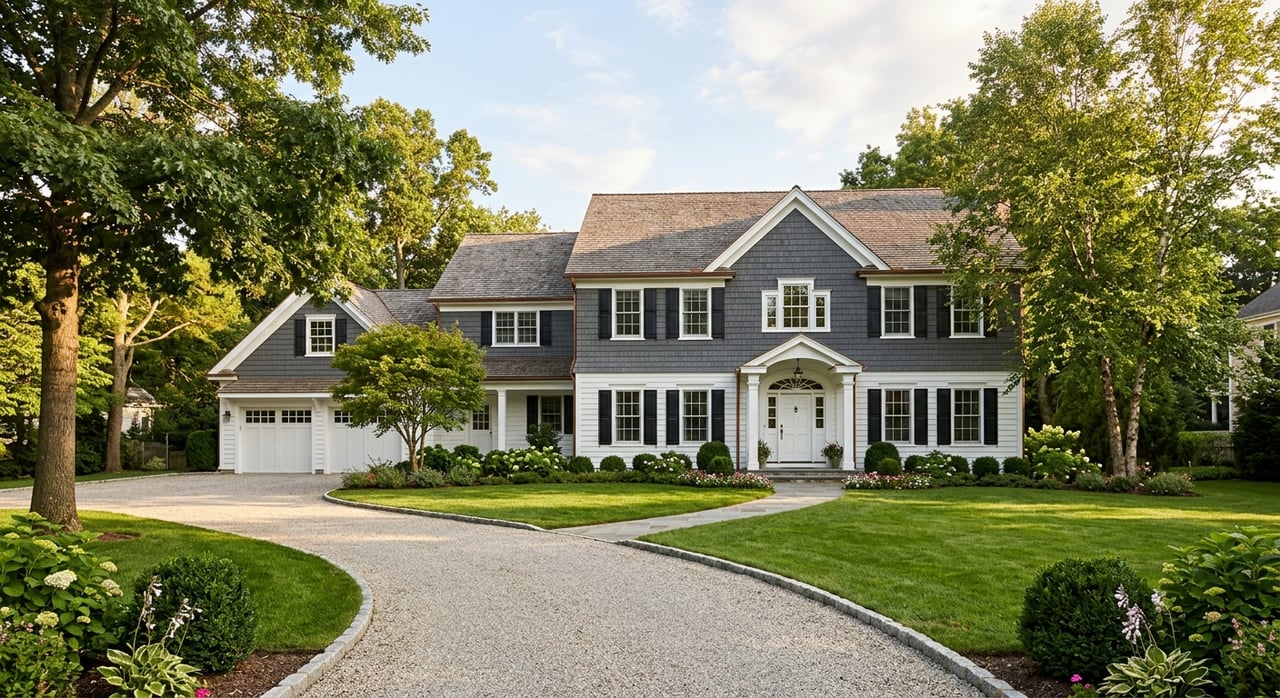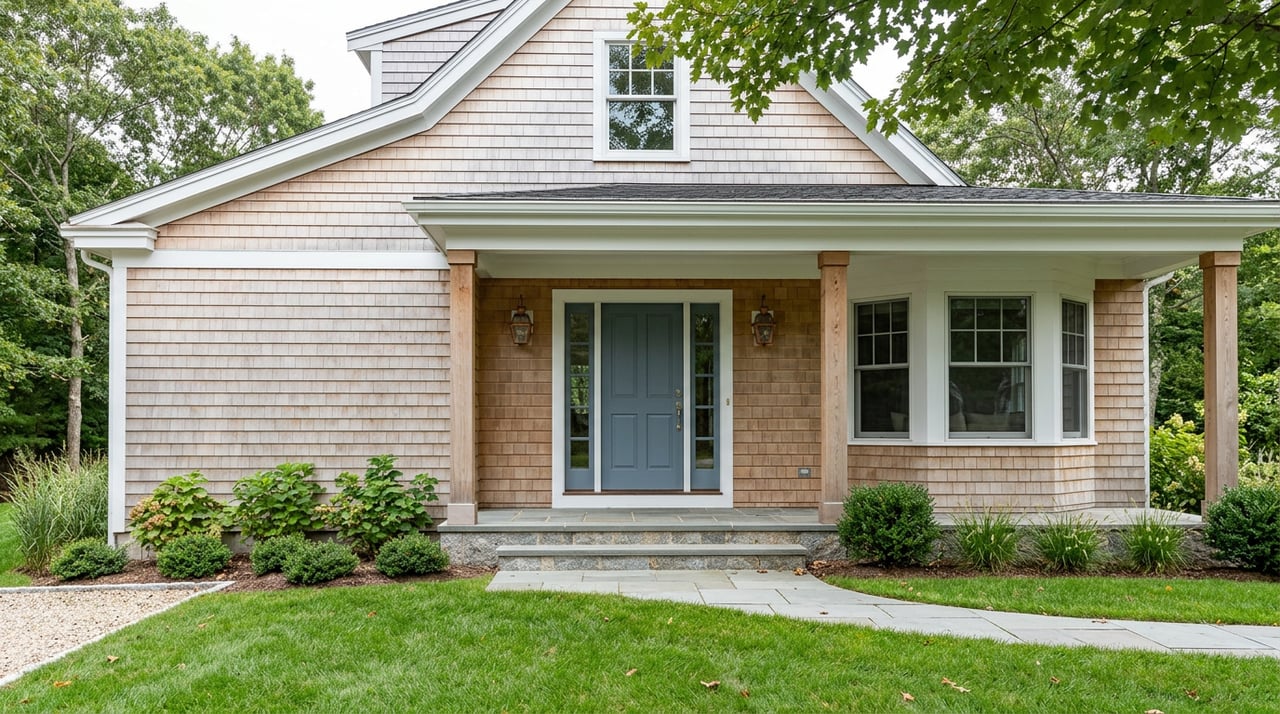
Looking for a peaceful South Coast escape where you can unplug by the water, explore farm stands, and still be within reach of Providence and Boston? If Little Compton and Tiverton are on your radar, you’re not alone. These Newport County towns offer a rare mix of shoreline, rural character, and small-town ease that works beautifully for second-home living. In this guide, you’ll learn how the two markets differ, what to expect with pricing and inventory, and the rules that matter for financing, taxes, insurance, and short-term rentals. Let’s dive in.
Little Compton vs. Tiverton
Little Compton and Tiverton sit on the Sakonnet River and share a South Coast lifestyle, but they feel different in day-to-day living. Little Compton is smaller and more rural, with protected farmland, scenic beaches, and a high share of seasonal homes. Tiverton is larger and more mixed-use, with more year-round housing and easier access to regional services and commuter routes.
- Little Compton: You will see waterfront cottages, historic homes, and intact farm or conservation parcels. Conservation policies help preserve rural character, which is part of the area’s appeal and also means development can be more limited.
- Tiverton: You will find a broader mix of year-round single-family homes, older cottages, some newer subdivisions, and waterfront options. The wider price range typically creates more choice for buyers.
The takeaway: both towns deliver a South Coast lifestyle, but the inventory in Little Compton skews more luxury and seasonal, while Tiverton offers a wider spread of price points and styles.
Prices and inventory at a glance
Both towns are small markets where a handful of sales can shift monthly medians. Recent public market snapshots showed Little Compton clustering in the high six to low seven figures and Tiverton sitting lower as a mid-market South Coast town. Expect most new listings and buyer activity from spring through early fall. In small coastal towns, sellers often time listings to align with summer demand.
Because numbers move quickly in these towns, treat any single median as a point-in-time guide. If you’re exploring a purchase this season, ask for a live data check and current listing set before you plan offers. The statewide context of low inventory in many communities supports a careful, prepared approach to timing and pricing. For a broader view of Rhode Island’s inventory and affordability trends, you can review the state’s 2024 Annual Integrated Housing Report.
What to check on the land
Coastal and rural homes come with practical details you want to confirm early. Build these checks into your diligence plan.
- Septic and well vs. municipal service. Many properties in both towns rely on private septic systems and wells, especially in Little Compton. Tiverton has some municipal sewer pockets but still plenty of septic-served homes. If a property has a septic system, plan for inspection and understand whether the system limits bedroom count or future expansion. Tiverton’s draft short-term rental materials even reference septic certifications, a reminder that private systems are common and regulated locally. You can see examples in the town’s draft STR ordinance.
- Flood zones and shoreline rules. Parts of both towns lie in FEMA Special Flood Hazard Areas or coastal high-hazard zones. Always pull the parcel’s FEMA/DFIRM map, confirm with your lender and insurer if flood insurance is required, and review Rhode Island’s Coastal Resources Council rules for setbacks and design limits. The Little Compton Hazard Mitigation Plan summarizes local FEMA and sea-level-rise considerations and is a helpful primer for buyers evaluating exposure. Review the town’s hazard mitigation appendices and the state’s CRMC coastal regulations.
- Conservation and subdivision limits. Little Compton’s planning framework is designed to preserve rural character. If you expect to add structures, subdivide, or significantly renovate, understand zoning and conservation restrictions before you commit. Early conversations with the town’s planning and building offices are smart.
Financing and taxes for second homes
How a lender classifies your property changes the rules. It also pays to understand state and federal tax treatment before you buy.
- Second home vs. investment property. Lenders use occupancy classifications that influence down payment, pricing, and reserves. A second home typically must be suitable for year-round occupancy and under your exclusive control, not subject to a management agreement that controls who uses it. If the property functions as a rental first, lenders may reclassify it as an investment property with different requirements. See Fannie Mae’s definitions in the Occupancy Types guide.
- Down payment expectations. Many conforming second-home loans allow up to 90 percent loan-to-value, which means at least 10 percent down. Lenders may add stricter overlays for coastal or higher-balance loans, so 20 percent or more is common in practice. Investment loans usually require larger down payments and higher reserves.
- Government loan programs. FHA, VA, and USDA are primarily for principal residences. If you need those programs, plan to occupy the home as your primary.
- Rhode Island surcharge on high-value non-owner properties. The 2025 state budget cycle introduced a new surcharge on non-owner-occupied properties above a $1 million assessed value. The change has been widely covered in tax trend summaries. Confirm the final statutory language and how your town assessor will apply it before you close, especially on luxury properties. For context on 2025 state tax changes, review the NCSL summary on tax trends in 2025.
- IRS rules for mixed personal and rental use. Your tax treatment depends on days rented and personal use. As a general guide, renting for fewer than 15 days in a year typically means the income is not reported, while using the home personally more than the greater of 14 days or 10 percent of rental days impacts how deductions and losses work. The details matter, so plan your usage calendar with a tax professional using IRS Publication 527.
Short-term rental rules you need to know
Rhode Island requires state-level registration for properties listed on hosting platforms, plus tax compliance. Towns can add their own permits and conditions, so you should plan for both.
- State baseline. The RI Department of Business Regulation manages STR registration. Owners must display the state registration number in listings and follow tax rules. Read the DBR’s Short-Term Rental guidance.
- Tiverton’s local approach. Tiverton has moved STR rules through draft and hearing cycles that contemplate a special-use permit with inspections, occupancy limits, local representative requirements, and posting the town authorization in listings. If STR income is part of your plan, expect to apply locally, designate a 24-hour contact, meet safety and parking standards, and manage tax filings. See the town’s draft zoning amendment for examples of likely conditions.
- Little Compton’s status. Little Compton has hosted public meetings and advisory sessions on STRs. Before you list, check with the town clerk or planning office for the latest position and remember that state registration still applies. You can view meeting listings on the state’s Open Meetings dashboard to understand the discussion history.
- Tax and business filings. STRs are subject to state sales and hotel taxes. Hosting platforms may remit some taxes, but owners are still responsible for compliance. Tiverton also references tangible personal property filings for STR operators, a reminder that local business reporting can apply. See an example of the town’s tangible property return.
Insurance and coastal risk
Coastal properties can carry different insurance requirements and costs than inland homes. Plan for this early, especially if a mortgage is involved.
- Flood insurance. If a property lies in a FEMA Special Flood Hazard Area, lenders usually require flood insurance. Get the FEMA zone for the exact address, then ask your insurer for a quote so you can underwrite carrying costs with confidence.
- Wind and hurricane deductibles. Insurers may apply separate windstorm or hurricane deductibles along the coast, which changes out-of-pocket exposure. Ask for policy terms in writing and compare options before you bind.
- Use local hazard resources. Town and state resources summarize known risks, including flood maps and sea-level scenarios. For a quick orientation, review Little Compton’s hazard mitigation materials and the state’s CRMC coastal rules, then confirm parcel-specific details with your insurer.
Ownership costs and operations
A second home is both a retreat and a responsibility. Build a simple plan and budget so you can enjoy the home without surprises.
- Seasonal care. Plan for winterization, HVAC servicing, gutter and roof care, driveway maintenance, and landscaping. Waterfront properties may require dock or shoreline upkeep.
- Septic maintenance. Budget for regular pumping and keep records. If an upgrade is needed, understand design and permitting timelines before you schedule work.
- Management and response. If you will not be nearby, line up trusted local services for check-ins, storm prep, and emergencies. If you plan to rent, towns like Tiverton may require a local representative who can respond 24 hours a day.
- Insurance and reserves. Coastal premiums and deductibles can increase carrying costs. Keep a reserve for capital items like roofs, siding, and systems.
- Taxes and filings. If you operate an STR, plan for state hotel and sales taxes and any town business filings. Do not rely solely on platform settings. Confirm what you, not the platform, must file.
Buyer checklist
Use this checklist to move from idea to offer with clarity.
- Get pre-qualified for a second-home or investment loan and confirm your lender’s coastal and reserve requirements. Review occupancy definitions with the Fannie Mae guide.
- Pull the parcel’s FEMA flood map and review Rhode Island CRMC guidance. Ask an insurer if flood coverage will be required and request a quote. Local hazard materials for Little Compton are a useful early reference in the town plan appendices.
- Confirm sewer or septic status and order a septic inspection if applicable. Tiverton’s draft STR materials show how often septic documentation is part of compliance. See the town’s draft STR guidance.
- If you plan to rent, register with the state and verify town-level permits. Start with the RI DBR Short-Term Rentals page and Tiverton’s draft ordinance. For Little Compton, call the clerk or planning office and review the Open Meetings dashboard for context.
- Model taxes. Ask a tax professional about Rhode Island’s non-owner-occupied surcharge at higher assessed values and plan your personal use versus rental days using IRS Publication 527. For state-level tax-change context, see the NCSL’s 2025 tax trends summary.
- Build a realistic operating budget that reflects seasonal occupancy, cleaning, management needs, insurance, maintenance, and reserves. In Tiverton, expect a designated local contact if you operate an STR and plan accordingly.
Work with a local advisor
Second-home purchases along the South Coast reward preparation. You want a clear view of inventory, a confident financing plan, and a team that understands septic and shoreline nuances, seasonal pricing, and town-by-town rules. If you are deciding between Little Compton and Tiverton, or you want to compare several properties side by side, we can help you move from research to a smart, well-timed offer.
For curated options, live market checks, and a calm, process-driven approach, reach out to The Jodie Jordan Group. We will help you align your lifestyle goals with the right home, due diligence, and ownership plan.
FAQs
What makes Little Compton and Tiverton different for second homes?
- Little Compton is smaller and more rural with a luxury and seasonal tilt, while Tiverton offers more year-round housing and a wider range of price points and styles.
How competitive is the seasonal buying window in these towns?
- Most activity runs spring through early fall, and thin inventory means well-priced homes can move quickly, so pre-approval and fast due diligence are essential.
Do I need flood insurance for a coastal second home here?
- If the home is in a FEMA Special Flood Hazard Area, lenders usually require it, so confirm the exact flood zone for the address and get an insurance quote early.
Can I use FHA or VA financing for a second home?
- FHA and VA loans are generally for primary residences, so second-home buyers typically use conventional financing with second-home or investment classification.
What are the Rhode Island rules for short-term rentals?
- You must register with the state through DBR and follow tax rules, and towns like Tiverton may require a local permit, inspections, occupancy limits, and a local contact.
How does Rhode Island’s new surcharge affect luxury second homes?
- The state adopted a surcharge on non-owner-occupied properties above a $1 million assessed value, so verify current rules with a tax professional and your town assessor before buying.